
If you want to achieve a durable, beautiful, and long-lasting coating finish, choosing the suitable paint is only part of the solution. Many people focus on the quality, color, and performance of the coating itself, but often overlook one of the most important steps before painting — surface preparation.
At Forest Paint, we believe that excellent coating performance starts with a properly prepared surface. Whether it is a residential wall, industrial floor, steel structure, or waterproofing project, correct surface preparation plays a key role in ensuring strong adhesion, better protection, and longer service life of the coating system.
Ⅰ.What is Surface Preparation?
Surface preparation refers to the process of cleaning, repairing, and treating the substrate before applying paint or coating. The purpose is to create a clean, dry, and stable surface that improve the adhesion between the substrate and the coating, and between coatings.
Different substrates require different preparation methods. Concrete, metal, wood, and existing painted surfaces all have their own characteristics and challenges. A suitable preparation process helps prevent common coating problems such as peeling, cracking, blistering, and premature failure.
1) Improve Coating Adhesion
The most important reason for surface preparation is to improve the adhesion between the coating and the substrate.
Dust, oil, rust, moisture, loose particles, and old damaged coatings can create a barrier between the surface and the new coating. Even high-performance paints may not achieve their expected results if they are applied directly onto an unsuitable surface.
For example, before applying Forest Paint epoxy floor coatings, the concrete surface should be properly cleaned, ground, and repaired. Removing laitance, dust, oil contamination, and weak concrete layers allows the epoxy primer to penetrate and bond firmly with the substrate, creating a strong foundation for the complete flooring system.
2) Prevent Coating Problems and Extend Service Life
Many coating failures are not caused by poor paint quality but by insufficient surface preparation.
Common problems include:
● Paint peeling due to weak adhesion
● Cracks caused by unstable substrates
● Blistering caused by moisture or contamination
● Uneven appearance caused by surface defects
● Rust returning through the coating layer
Proper preparation helps eliminate these risks and allows the coating system to perform as designed.
For industrial applications, such as steel structures, factories, warehouses, and equipment protection, surface preparation is even more important. Before applying Forest Paint anti-corrosion coatings, steel surfaces usually require rust removal and cleaning to ensure the primer can provide effective corrosion protection.
3) Ensure Better Appearance and Finish Quality
Besides improving durability, surface preparation also affects the final appearance of painted surfaces.
A flat and clean substrate helps the coating spread evenly, providing a more attractive finish with consistent color and texture. This is especially important for decorative applications such as interior walls, exterior walls, and commercial spaces.
Before applying Forest Paint interior and exterior wall paints, surfaces should be free from dust, grease, cracks, and loose materials. Proper repair and priming help create a smoother finish and improve the overall decorative effect.
Ⅱ. Different Coatings Require Different Preparation Methods
There is no one preparation method for all painting projects. The correct process depends on the substrate condition and the type of coating being applied.
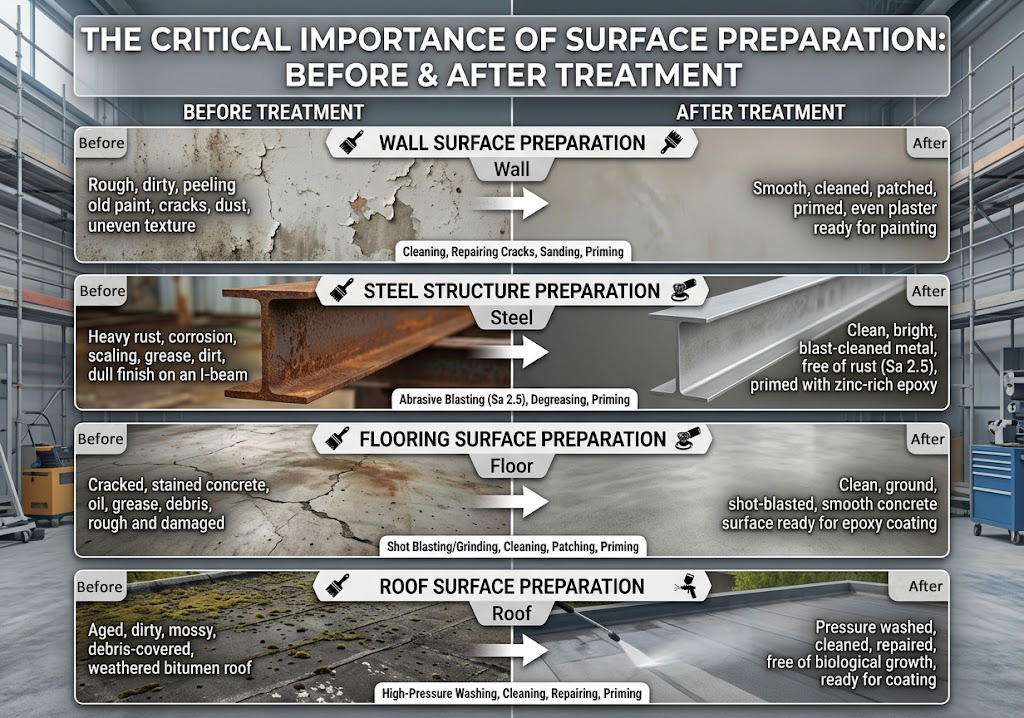
1) Concrete Surface Preparation
For concrete floors, the surface should be:
● Fully cured and dry
● Free from oil, dust, and loose particles
● Properly ground or mechanically treated
● Repaired if cracks or defects exist
This preparation is essential for epoxy flooring systems, including epoxy self-leveling floors, colored sand epoxy floors, and industrial floor coatings.
2) Metal Surface Preparation
For steel and metal surfaces:
● Remove rust and oxidation
● Remove oil and grease
● Ensure the surface is clean and dry
A properly prepared metal surface allows primers such as epoxy zinc-rich primer or epoxy anti-corrosion primer to provide better protection against corrosion.
3) Wall Surface Preparation
For walls:
● Remove old loose paint
● Repair cracks and holes
● Clean dust and contaminants
● Apply suitable primer if required
A quality primer helps improve adhesion, enhance coverage, and create a more stable base for the finishing coat.
Ⅲ. Proper Preparation Saves Time and Cost
Although surface preparation requires additional time and effort, it can significantly reduce maintenance costs in the future.
Applying paint directly onto an unsuitable surface may seem faster initially, but coating failure can lead to expensive repairs, repainting, and project delays.
A professional coating system should always include three important steps:
Surface Preparation → Primer Application → Topcoat Protection
At Forest Paint, we provide complete coating solutions with matching primers, intermediate coats, and finishing coatings to meet different project requirements.
Forest Paint: Professional Coating Solutions for Global Projects
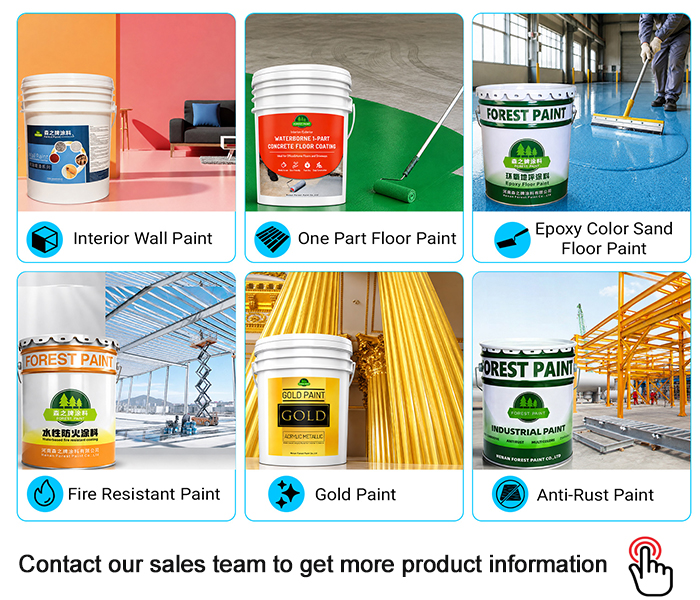
With years of experience in coating manufacturing and international markets, Forest Paint provides a wide range of coating products, including:
● Interior & Exterior Wall Paint
● Epoxy Floor Coatings
● Waterproof Coatings
● Anti-Corrosion Industrial Paints
● Road Marking Paint
● Fire Resistant Coatings
● Decorative and Protective Coatings
We understand that every successful coating project begins with the right preparation. By combining proper surface treatment with high-quality coating products, customers can achieve better performance, longer durability, and a more attractive finish.
Before starting your next painting project, remember: a great coating starts with a great surface.
For professional coating solutions and technical support, contact Forest Paint today.
Post time: Sep-23-2026